Tools like Honey are making marketing attribution more complicated.

In the intricate world of digital marketing, numbers tell a story. But what if those numbers are lying? Today, we’re diving deep into a controversy that’s shaking the foundations of marketing attribution – and why your current measurement strategy might be fundamentally flawed.
The Honey Controversy: A Case Study in Attribution Manipulation
Recently, a viral YouTube video unveiled a shocking practice: how tools like Honey can manipulate marketing attribution models. Their strategy? Replacing original affiliate links with their own, effectively “stealing” credit for sales that weren’t truly initiated by their platform.
Understanding Attribution Models: Not All Tracking is Created Equal
Let’s break down the primary ways marketers track conversions:
1. First-Touch Attribution
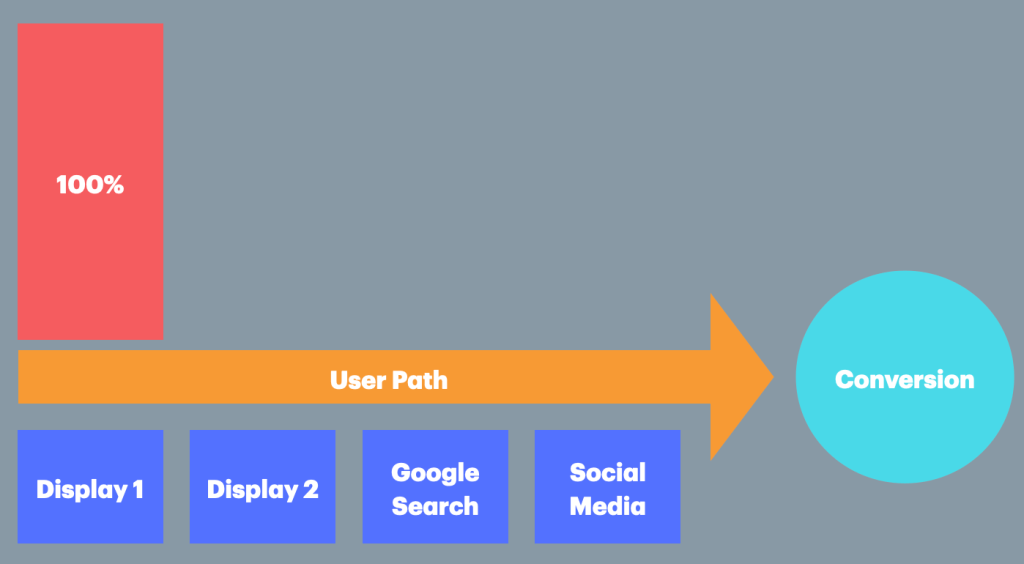
- Credits the initial touchpoint that created awareness
- Least popular, but valuable for understanding top-of-funnel performance
- Ideal for campaigns focused on brand introduction
2. Last-Touch Attribution
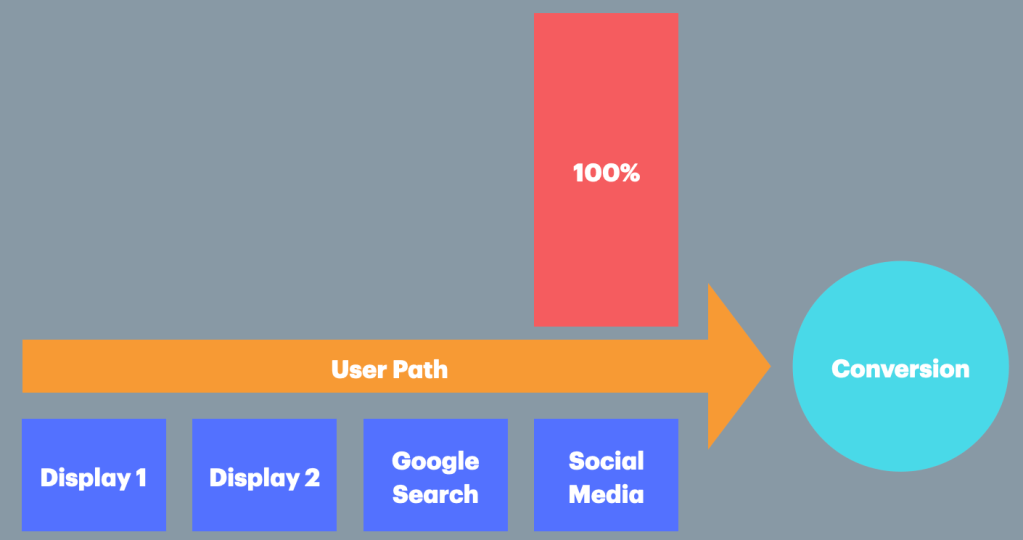
- Gives full credit to the final interaction before conversion
- Most popular method
- Critically vulnerable to manipulation (as the Honey case demonstrates)
3. Linear Attribution

- Distributes credit equally across all touchpoints
- Provides a more balanced view of the customer journey
- Useful for complex, multi-channel marketing strategies
4. Time-Decay Attribution
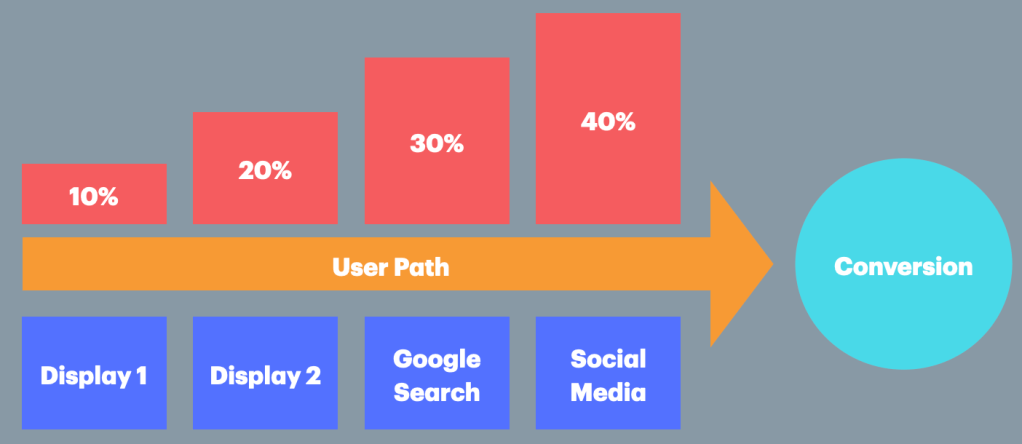
- Weights credit based on proximity to conversion
- Most sophisticated and potentially most accurate model
- Complex to implement but offers nuanced insights
Implement Robust Tracking Strategies
In Hubspot’s annual State of Marketing report, one of the most significant industry shifts in the past year was the increased prioritization of data-driven strategies. Using data to inform ROI emerged as a key trend among marketers.

To be successful in effectively measuring marketing success, you should start by following these actions:
- Use UTM parameters consistently: UTM parameters are identifiers added to marketing links, so you can identify the source the user clicked to visit your site.
- Adopt multi-touch attribution models: Not just measure one channel but measure the whole customer journey. This way you can optimize your marketing funnel in general, but also by segment.
- Diversify your tracking mechanisms: For each marketing campaign, design a measurement strategy that covers effort. Be creative with your data to track also offline conversions.
Go Beyond Cookie-Dependent Tracking

The negative part about the most common ways we currently track marketing attribution is that they are mostly cookie dependent. As we know, tracking cookies are getting deprecated with some regions already blocking marketers from using them. Also, there’s the case of Apple and how now the iPhones ask users permission before allowing apps to track each other. With this in mind, we have to think about alternative methods to be able to track and measure marketing success.
- Conduct post-purchase surveys: Ex. Ask your customer how they learned about your store.
- Use unique promotional codes: Assign a code to each marketing channel. Usually a code should come with a discount or any other benefit.
- Leverage first-party data “clean rooms”: This is an old trend that’s coming back. If the conversions happen in a third-party platform,ask them for your customers’ emails or phone numbers so you can match them to your own datasets and measure attribution. This could be done in “clean rooms” or secure spaces where data privacy is secured.
The Bigger Picture: Data Integrity in Marketing
The Honey controversy isn’t just about one tool. It’s a wake-up call for marketers to become more sophisticated, more critical, and more intelligent in how we measure success.
At Amplifica, we believe in transforming data into meaningful insights. We don’t just track numbers – we tell the true story of your marketing performance.
Ready to Decode Your Marketing Data?
Marketing attribution is an art and a science. Don’t let tools and platforms dictate your narrative. Take control of your marketing intelligence.
Final Thought
In a world of increasing digital complexity, your marketing attribution should be a lens of clarity – not a source of confusion.
Enjoyed this read?
Stay connected with insights on creativity, culture, and data-driven marketing.

 AMPLIFICA
One thought on “The Honey Controversy: When Tools Steal Your Marketing Results”