How low-production streams are becoming the new prime time—and what creative brands need to know about this cultural shift
By: Luis Macfie
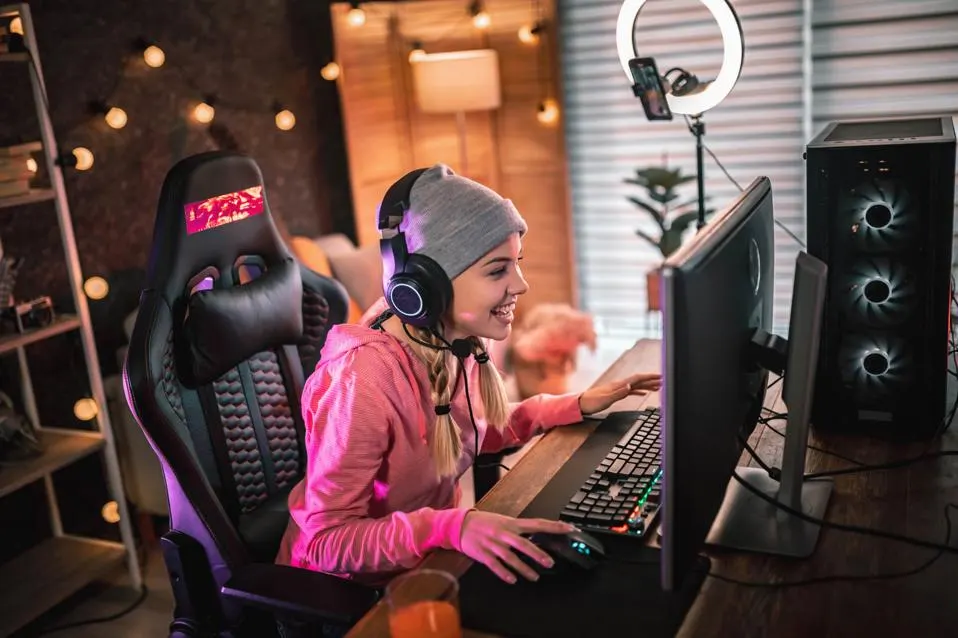
Picture this: A 23-year-old sits in his living room, camera positioned casually, chatting with hundreds of thousands of viewers as if they’re old friends. No studio lighting, no elaborate set design, no million-dollar production budget. Just authentic conversation, spontaneous reactions, and raw energy that keep audiences glued to their screens for hours. This isn’t amateur content—this is the new frontier of media consumption, and it’s generating more engagement than many traditional TV shows.
Welcome to the era of authentic streaming, where creators like Kai Cenat and Ibai Llanos are redefining what it means to capture and hold an audience’s attention.
The Numbers Don’t Lie: Streaming’s Meteoric Rise
Kai Cenat’s recent Streamer University event alone generated over 719,000 peak concurrent viewers and 27+ million total hours of watch time—numbers that would make traditional broadcasters envious. With a net worth reaching $14 million in 2025, Cenat represents a new class of media moguls who’ve built empires not through traditional gatekeepers, but through direct audience connection.
But Cenat isn’t an outlier—he’s part of a broader movement. Streamers like Alondra Michelle, IShowSpeed, and countless others are creating intimate, unfiltered content that resonates deeply with Gen Z audiences who crave authenticity over polish. These creators are broadcasting from bedrooms, kitchens, and makeshift studios, yet commanding attention spans that traditional media struggles to achieve.
The Authenticity Factor: Why Low Production Wins
What makes these streams so compelling? The answer lies in their perceived authenticity. Gen Z values direct interaction with creators and brands, which appeals to their desire for authenticity and real-time connection. When a streamer reacts genuinely to a chat message, shares an unfiltered opinion, or deals with technical difficulties in real-time, they create moments of human connection that highly produced content often lacks.
This raw approach works because it mirrors how Gen Z communicates naturally—through spontaneous video calls, casual social media posts, and unpolished but genuine interactions. The production value isn’t in the lighting or set design; it’s in the authentic personality and real-time engagement.
Gen Z’s Media Consumption
Recent Deloitte research shows that Gen Zers are choosing social and creator-driven content over big-budget entertainment, fundamentally shifting the media landscape. Gen Z audiences are equally engaging with professionally produced TV content as they are with non-professional content, but increasingly, they’re gravitating toward the latter.
This generation doesn’t just consume content—they participate in it. They influence storylines through chat interactions, create viral moments through clips and reactions, and build communities around shared streaming experiences. They’re not passive viewers; they’re active participants in a cultural conversation.
The Brand Opportunity: Where Commerce Meets Community
Forward-thinking brands have taken notice. Major brands like Nike, Adidas, Razer, and Cash App have lined up to collaborate with streamers, with deals often reaching six or seven figures and monthly sponsorship revenue exceeding $6 million for top creators.
But this isn’t just about throwing money at popular creators. Successful brand partnerships in the streaming space work because they feel organic to the creator’s content and audience. When a streamer genuinely uses and endorses a product during their natural commentary, it carries more weight than traditional advertising because the audience trusts the creator’s authentic opinion.
Strategic Implications for Creative and Cultural Brands
For brands in the creative and cultural sectors, this shift presents unique opportunities:
Authentic Partnership Models: Instead of traditional sponsorship deals, consider collaborative partnerships where streamers genuinely integrate your brand into their content narrative. This might involve providing artists with your products to use and discuss naturally, or supporting creators in ways that align with their content goals.
Community Building: Streamers excel at building communities around shared interests. Cultural brands can tap into these communities by supporting creators whose audiences align with their values and aesthetic preferences.
Cultural Credibility: Partnering with authentic creators can lend cultural credibility to brands, especially when the partnership feels organic and aligned with both the creator’s and brand’s values.
Our Perspective
The streaming revolution isn’t just about individual creators—it’s about a fundamental shift in how audiences connect with content and, by extension, with brands. Creative and cultural brands that recognize this shift early and approach it strategically will have significant advantages in reaching and engaging younger audiences.
This isn’t about chasing every trending creator or throwing money at viral moments. It’s about understanding the cultural dynamics at play, identifying authentic partnership opportunities, and measuring success through engagement and community building rather than just traditional metrics.
The brands that thrive in this new landscape will be those that embrace authenticity, prioritize community building, and understand that in the attention economy, genuine connection trumps production value every time.
At Amplifica, we help creative and cultural brands navigate these evolving media landscapes through data-driven strategies. Ready to explore how streaming culture can amplify your brand’s reach? Let’s start a conversation.
Contact us today for a free consultation!
Enjoyed this read?
Stay connected with insights on creativity, culture, and data-driven marketing.

 AMPLIFICA