All economic indicators point to a positive impact on the economy, but is it sustainable?
By: Luis Macfie
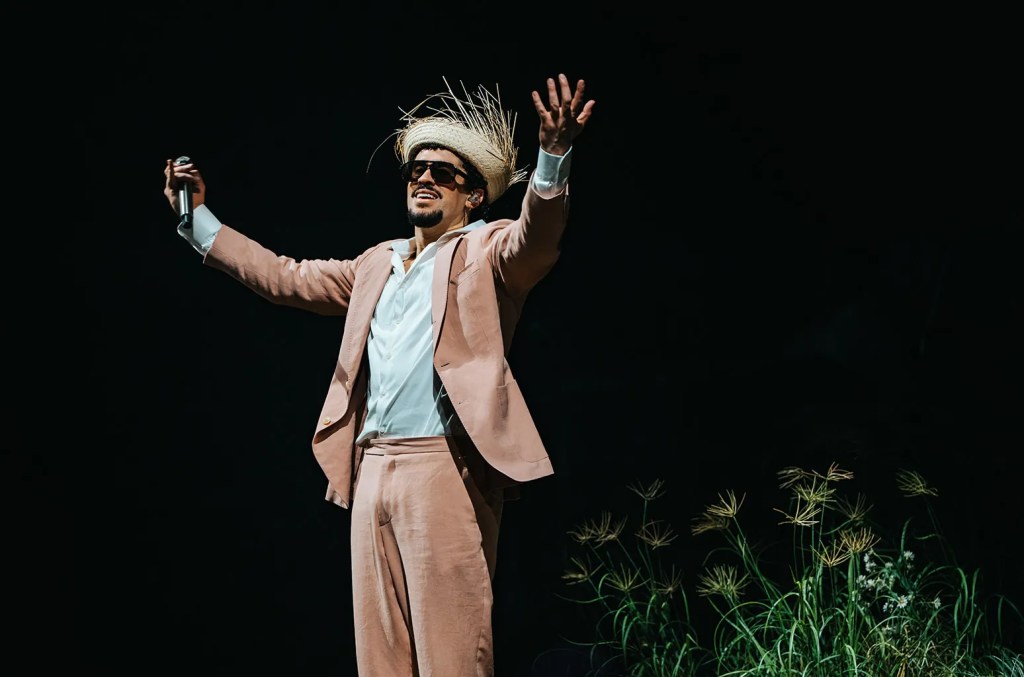
Like many Puerto Ricans in the diaspora, I went to Bad Bunny’s residency—a trip that felt like a must for all of us. From a Puerto Rican perspective, this event was peak FOMO for anyone who left the island but remains deeply connected to its culture and daily life. There are a few events that united us this much, aside from our annual holiday trips to spend Christmas with family or, sadly, tragedies like Hurricane Maria.
Puerto Rico’s Own Olympics
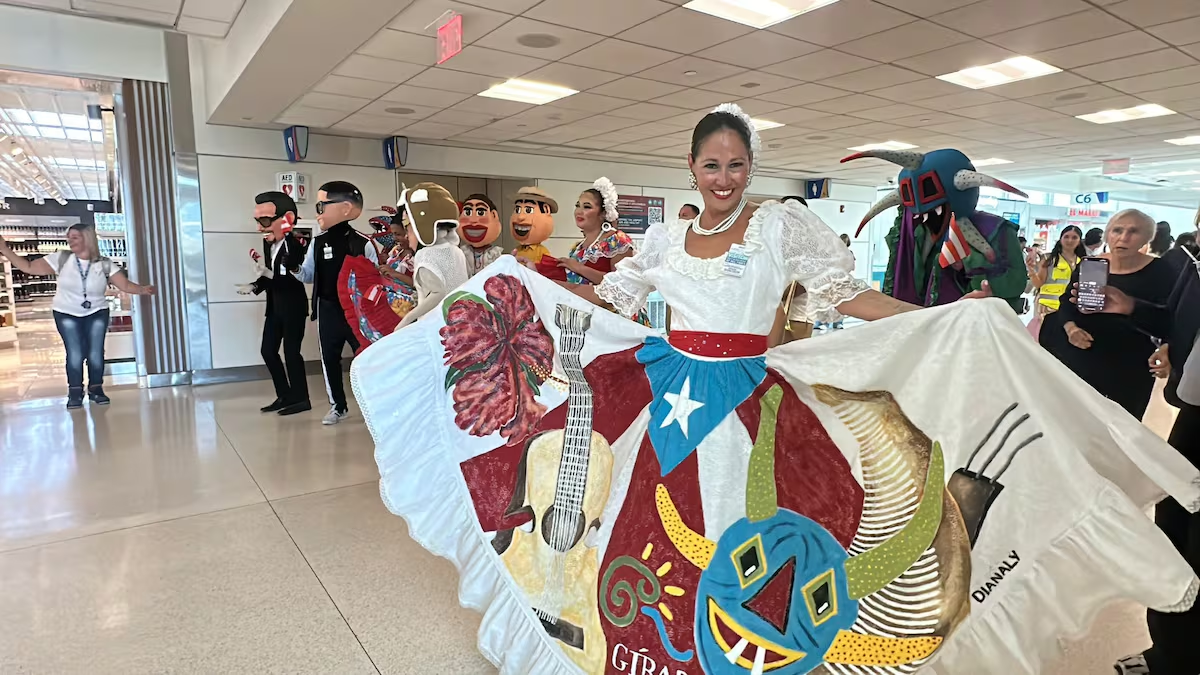
This trip felt different. It was as if Puerto Rico was hosting its own version of the Olympics. You could feel the energy everywhere—tourists filling the streets, hanging out at local spots, and locals hosting smaller events around the main attraction. The impact was obvious even at the airport on my way back, where almost everyone at the gate wore residency merch. Benito’s presence was everywhere, and businesses were eager to link themselves to the residency, hoping to capture a share of the tourism boom.
Beyond the Immediate Win: Building a Sustainable Impact
We’ve all heard about the economic impact of this residency, but the bigger question is: How do we turn this into long-term growth? That starts with data.
How much data is Puerto Rico’s DMO (Destination Marketing Organization) collecting to learn from this experience and create a strategy? We know Bad Bunny brought people here—but what do they know about those visitors? How much influence does fandom have on exploring other cultural offerings? What are their expectations?
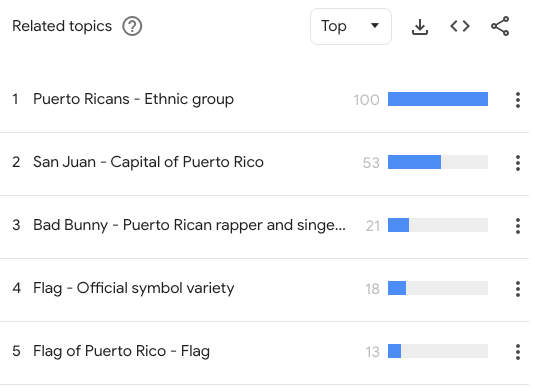
If I were leading this effort, I’d start by collecting data from every tourism touchpoint: hotels, airports, short-term rentals, concert venues, restaurants, shops, and more. This would help measure core KPIs we’ve already seen mentioned in the news, like spikes in tourism metrics and even GDP projections. But we shouldn’t stop there. Consider the massive, free marketing happening on social media. How do you quantify the impact of someone like Kylian Mbappé (125M IG followers), Belinda (18M), or Austin Butler (3.8M) posting about Puerto Rico? That kind of reach taps into entirely different customer segments. How many of their followers Googled “Puerto Rico” after seeing that content? And what will they find in those search results?
What Would I Measure?
Alongside economic data, I’d design pre- and post-trip surveys targeting a significant percentage of visitors. Why? Because impact isn’t just about dollars—it’s also about perception. Here’s how I’d structure it:
Pre-Trip Survey (Expectations)
- Age, country of origin, first-time visitor?
- Where are you staying? How many days?
- What attracted you most about Puerto Rico?
- Were you interested in visiting before this event?
- What type of experiences do you typically prioritize when traveling?
- Any must-visit attractions on your list?
- How far in advance did you plan this trip?
Post-Trip Survey (Reality)
- Any pain points during your trip?
- Would you recommend a trip to Puerto Rico without a Bad Bunny concert?
- Likelihood of returning? What would motivate you to come back?
- Rate your experiences: restaurants, beaches, museums, nightlife, etc.
- Overall trip rating
This data would be gold. It reveals not only visitor satisfaction but also opportunities for retention and advocacy. We could then create targeted strategies, like offering incentives for repeat visits or referral programs (e.g., discounts on hotels or experiences).
The Real KPI: Return Rate
Yes, Puerto Rico is winning big right now. But the ultimate success metric should be return rate. How do we make these visitors come back—or inspire their friends to come based on their recommendations?
Early data suggest Puerto Rico attracted a new, more diverse demographic beyond the usual East Coast U.S. travelers and diaspora. That’s huge. But what’s next? If many people came only for this extraordinary event, what would it take to bring them back? Should Puerto Rico create an annual music and arts festival like Coachella or SXSW, which drives massive yearly economic impact in Indio, CA, and Austin, TX? Or can Puerto Rico differentiate itself in other ways?
As someone who often plans trips around cultural events—festivals, conferences, sports—I see enormous potential. The music tourism market is projected to hit $267 billion by 2030, and Puerto Rican artists are already headlining the biggest stages worldwide.
Looking Ahead
This shouldn’t be just about short-term gains. It’s also about attracting people who might want to invest in Puerto Rico or make it their second home. What’s happening now is incredible: Puerto Rican culture is going global and becoming undeniably cool. For years, politicians searched for external solutions to save the island’s economy. Yet all along, the answer was here—in the richness of our culture and identity.
At Amplifica, we help creative and cultural brands navigate these evolving media landscapes through data-driven strategies. Ready to explore how streaming culture can amplify your brand’s reach? Let’s start a conversation.
Contact us today for a free consultation!
Enjoyed this read?
Stay connected with insights on creativity, culture, and data-driven marketing.

 AMPLIFICA