Communicating your event is much more energetic than you might think.
By: Daliana Alvarado
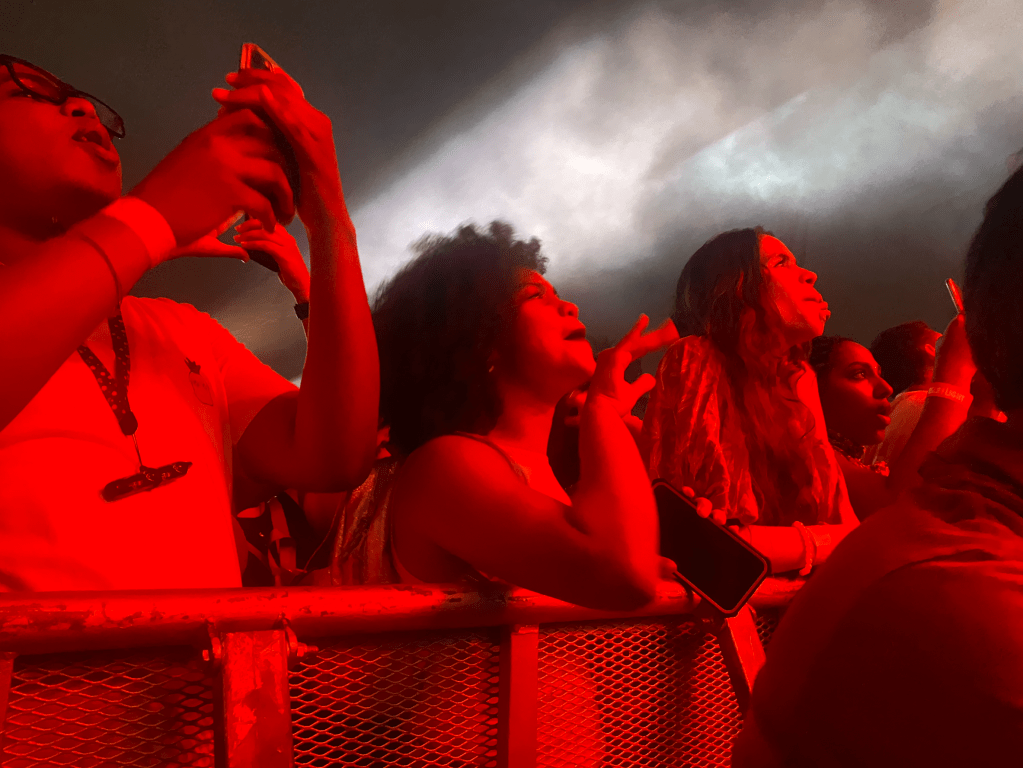
Communicating an event is not something you do overnight. It also doesn’t exist separately from your marketing strategy, creative direction, or editorial vision for the year.
A festival needs months of planning. And the earlier you start, the more opportunities you have to get your message in front of your audience and turn it into visits, ticket sales, and, ultimately, a well-attended event.
But event communication is about much more than sharing information.
Communication is also storytelling.
You take your audience through a story where they discover each detail at the right moment. You inspire, engage, and inform. Little by little, your audience enters the world of the event and begins to recognize it.
Familiarity comes through repetition.
Information will emerge over time, which is why it’s important to have a communication plan that covers every stage and keeps your audience engaged. And as the date gets closer, information becomes a stream: programming, artists, schedules, tickets, activities, reminders, changes, behind-the-scenes content…
This is where strategy comes into action: delivering important information through each channel and increasing the energy as the event gets closer. Creating momentum is a process that requires time, a story, and an audience.
Here are three recommendations for communicating your event:
1. The frequency should build toward a crescendo
Think of a snowball. It starts small and, as it rolls, it grows.
That’s how event communication should work. To start, you can begin with general details: a date, an idea, a first image, or an announcement. Then, you continue adding layers of information.
As the date approaches, increase the frequency.
This doesn’t mean posting just for the sake of posting. It means having an active editorial calendar with all the topics you need to communicate and knowing when the right moment is to share each one.
Your audience doesn’t need to know everything all at once. They need to discover it with you.
Communication has a rhythm, and that rhythm should build all the way to the event.
2. Your event is in-person, but it’s also virtual
There’s nothing more boring than having an event happening and then visiting its social media channels only to find that it looks like nothing is going on.
Your social media should reflect what’s happening in real life.
If there’s movement at the event, there should be movement across your channels. If artists are arriving, show them. If an exhibition is being installed, share it. If the audience is enjoying themselves, let the people who aren’t there feel a little bit of what’s happening.
The event takes place in a physical space, but the experience also happens online.
That’s why social media shouldn’t simply be a place where we repost announcements. It’s an extension of the event experience and a tool for building community before, during, and after the event.
Sometimes, communicating simply means opening a window and letting your audience see what’s happening.
3. Keep a creative throughline across all channels
Visual consistency is your asset when it comes to making your brand or event recognizable.
Amid all the digital noise, we want someone to come across a post, a Story, an email, or a graphic and immediately recognize that it belongs to our event.
This happens through consistent repetition of the message, but also through a strong and cohesive visual and creative identity.
The same visual codes, tone, language, typography, colors, graphic elements, and ways of presenting information should carry through your different channels.
This doesn’t mean everything needs to look the same. Every platform has its own language and format. It means that, even as we adapt the content, the event personality remains recognizable.
Consistency helps us capture attention, build familiarity, and stand out from all the digital noise.
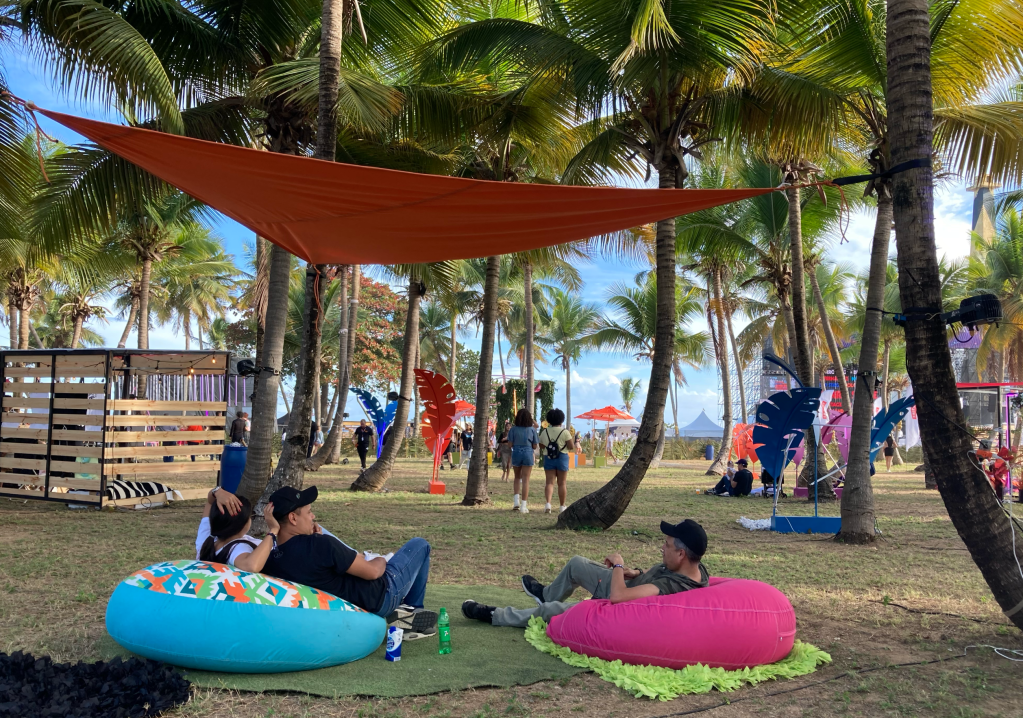
Create the Momentum
An event is made up of many people, departments, and processes. But communication is what puts it all into words and makes the event feel cohesive.
Giving it a beginning and an end. A head and a tail.
Communicating isn’t just about saying what’s going to happen. It’s about inspiring, provoking, and conveying a feeling of what the event will be like.
That’s why the event begins long before the doors open. It starts with a date. An image. An announcement. A conversation. And then it grows.
Like a snowball.
Because when communication works, by the time the event arrives, your audience already feels like they’re part of the story.
At Amplifica, we help creative and cultural brands navigate these evolving media landscapes through data-driven strategies. Ready to explore how to launch more efficient marketing strategies? Let’s start a conversation.
Contact us today for a free consultation!
Enjoyed this read?
Stay connected with insights on creativity, culture, and data-driven marketing.
 AMPLIFICA